

IT OT Cybersecurity Strengthens Connected Business Operations Against Modern Threats
Introduction
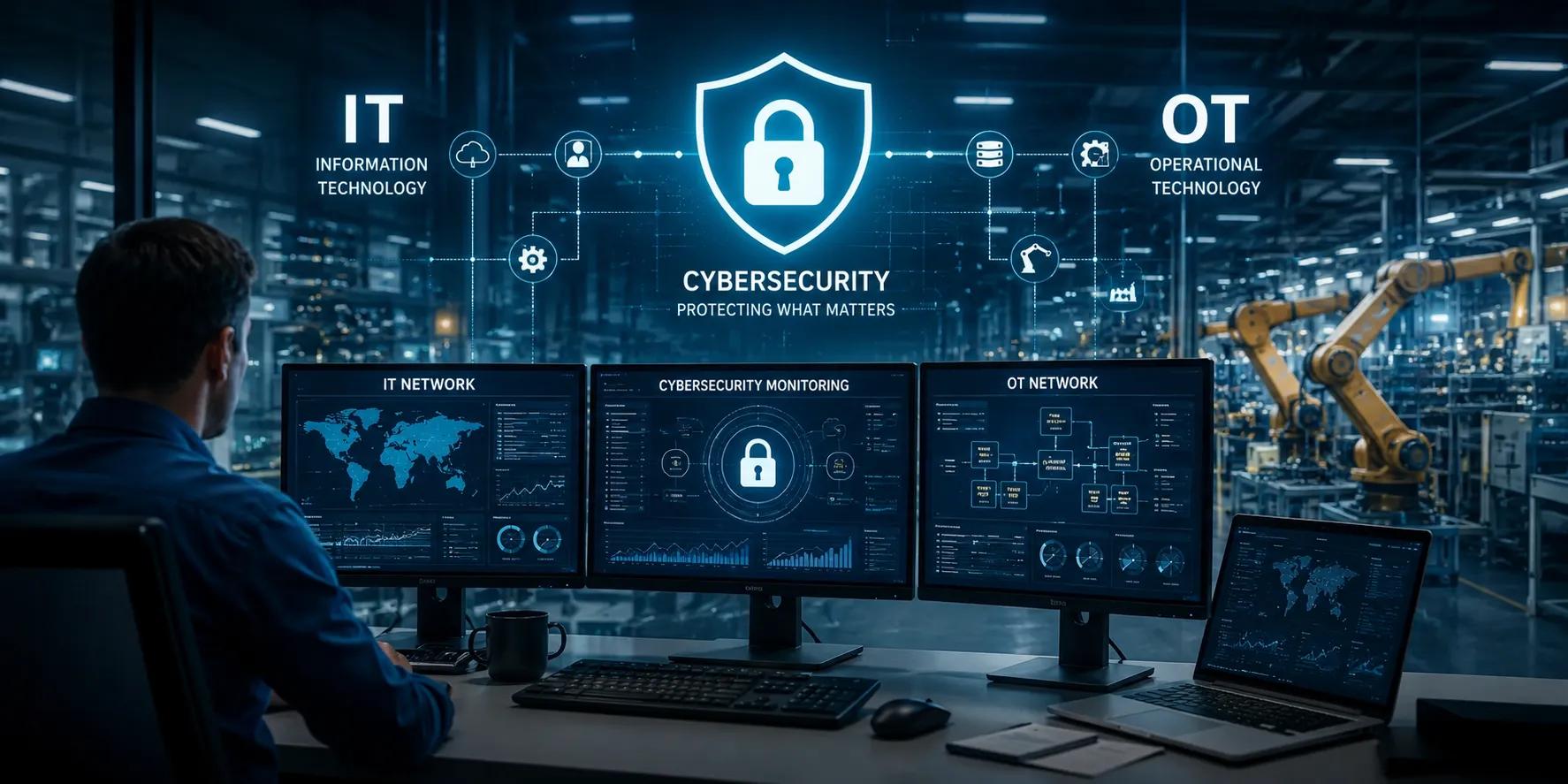
As organizations embrace digital transformation, the connection between information technology (IT) and operational technology (OT) has become essential for improving productivity, automation, and real-time decision-making. Manufacturing plants, energy providers, healthcare facilities, transportation networks, and critical infrastructure increasingly rely on connected systems to streamline operations. While this convergence creates significant business opportunities, it also expands the attack surface for cybercriminals.
IT OT Cybersecurity has become a business priority rather than just an IT responsibility. Organizations must protect corporate networks, industrial control systems, connected devices, and operational environments from evolving cyber threats. A successful cybersecurity strategy safeguards business continuity, protects sensitive information, minimizes downtime, and strengthens customer trust.
Businesses that invest in modern IT OT Cybersecurity practices are better prepared to manage cyber risks while supporting innovation and operational efficiency.
Understanding IT OT Cybersecurity
IT OT Cybersecurity refers to the protection of both Information Technology systems and Operational Technology environments from cyber threats. IT includes business applications, servers, cloud platforms, employee devices, and enterprise networks. OT consists of industrial equipment, programmable logic controllers (PLCs), supervisory control and data acquisition (SCADA) systems, sensors, robotics, and manufacturing equipment.
Historically, IT and OT operated independently. Today, cloud computing, Industrial IoT, artificial intelligence, and remote operations have connected these environments more closely than ever before. This convergence improves visibility and productivity while introducing new cybersecurity challenges that require specialized protection strategies.
A comprehensive IT OT Cybersecurity framework helps organizations secure both digital assets and physical operations without interrupting critical business processes.
Why IT and OT Convergence Changes Cybersecurity
Modern organizations depend on seamless communication between enterprise applications and operational systems. Production data moves directly into analytics platforms, maintenance teams monitor equipment remotely, and executives receive real-time operational insights.
Although these capabilities improve efficiency, they also create additional pathways for cyberattacks. A compromised employee account, infected endpoint, or vulnerable connected device may provide attackers access to operational environments.
Strong IT OT Cybersecurity strategies address these risks by implementing layered security controls across both business and industrial networks while maintaining operational reliability.
Common Cybersecurity Risks Across IT and OT Environments
Industrial organizations face increasingly sophisticated cyber threats that target both information systems and operational assets.
Ransomware remains one of the most disruptive threats because attackers seek to encrypt business data while shutting down manufacturing operations. Extended downtime often results in significant financial losses and supply chain disruptions.
Legacy industrial equipment presents another challenge. Many operational systems were designed before cybersecurity became a major concern. Older equipment may lack modern authentication, encryption, or security monitoring capabilities.
Remote access also introduces risk. Vendors, contractors, and maintenance personnel frequently require access to operational systems. Without proper authentication and monitoring, unauthorized access can expose critical infrastructure.
Insider threats continue to concern organizations as human error, misconfigured systems, or compromised credentials can unintentionally create security vulnerabilities.
An effective IT OT Cybersecurity program addresses each of these challenges through continuous monitoring, strong identity management, and proactive risk assessment.
Building a Strong IT OT Cybersecurity Strategy
Successful cybersecurity begins with understanding every connected asset across both IT and OT environments. Organizations should maintain an accurate inventory of devices, applications, industrial controllers, and network connections.
Network segmentation plays a critical role in limiting cyber threats. Separating business systems from operational networks reduces the likelihood that attackers can move laterally after compromising one environment.
Identity and access management helps ensure only authorized personnel can access sensitive systems. Multi-factor authentication, role-based permissions, and regular credential reviews significantly reduce unauthorized access risks.
Continuous monitoring allows security teams to detect suspicious activity before it becomes a serious incident. Modern security platforms analyze network behavior, identify unusual traffic patterns, and provide early warning signs of potential attacks.
Regular software updates and vulnerability management further strengthen IT OT Cybersecurity by addressing known security weaknesses before attackers can exploit them.
The Business Benefits of IT OT Cybersecurity
Organizations often view cybersecurity as a cost center, but its long-term business value extends far beyond risk reduction.
A mature IT OT Cybersecurity strategy improves operational resilience by reducing unexpected downtime caused by cyber incidents. Manufacturing facilities maintain production schedules while minimizing costly interruptions.
Customers and business partners gain greater confidence when organizations demonstrate strong cybersecurity practices. Trust has become a competitive advantage in industries handling sensitive operational data.
Regulatory compliance becomes easier when security controls align with industry standards. Many sectors require organizations to protect critical infrastructure and maintain comprehensive cybersecurity programs.
Cybersecurity also supports digital innovation. Businesses can confidently adopt Industrial IoT, cloud computing, artificial intelligence, and predictive maintenance technologies while maintaining secure operations.
Perhaps most importantly, effective IT OT Cybersecurity protects employee safety. Industrial cyberattacks can affect physical equipment, making security essential for protecting workers as well as business assets.
Emerging Trends ShAPIng IT OT Cybersecurity
Cybersecurity continues to evolve alongside industrial technology.
Artificial intelligence is becoming an important tool for identifying unusual network behavior and detecting sophisticated attacks more quickly than traditional methods.
Zero Trust security models are gaining popularity because they verify every user, device, and connection before granting access to critical resources.
Cloud-connected industrial platforms continue to expand, requiring organizations to extend cybersecurity beyond traditional network boundaries.
Threat intelligence sharing between governments, manufacturers, and cybersecurity organizations helps businesses respond more effectively to emerging attacks targeting critical infrastructure.
Security automation is reducing response times, allowing organizations to isolate compromised systems before cyber incidents spread throughout operational environments.
These innovations continue to strengthen IT OT Cybersecurity while helping organizations manage increasingly complex digital ecosystems.
Creating a Security-First Organizational Culture
Technology alone cannot eliminate cyber risks. Employees remain one of the strongest defenses against cyber threats.
Regular cybersecurity awareness training helps staff recognize phishing attempts, suspicious emails, and unsafe online behavior. Operational teams should understand how cybersecurity directly impacts production, safety, and business continuity.
Cross-functional collaboration between IT, OT, engineering, and executive leadership creates stronger security governance. When every department shares responsibility for cybersecurity, organizations become more resilient against evolving threats.
Continuous improvement, regular risk assessments, and incident response planning ensure businesses remain prepared for future cybersecurity challenges.
Conclusion
As digital transformation accelerates, protecting connected business environments has never been more important. The convergence of IT and OT delivers greater operational efficiency, but it also increases cybersecurity risks that organizations cannot ignore.
A well-planned IT OT Cybersecurity strategy combines technology, governance, employee awareness, and continuous monitoring to protect both enterprise systems and industrial operations. Organizations that invest in modern cybersecurity practices improve resilience, reduce operational risk, maintain regulatory compliance, and build lasting customer trust.
In an increasingly connected world, IT OT Cybersecurity is no longer optional—it is the foundation of secure, reliable, and sustainable business operations.